Integration Using Partial Fraction Decomposition
Partial fraction decomposition is the process of taking a rational function and decomposing it into simpler rational expressions which are easier to integrate.
We only use partial fractions if the rational function is proper. If

then the degree of  must be less than the degree of
  .
.
Types of Partial Fraction Decompositions
| Factor | Term in Partial Fraction |
 |  |
 | |
Irreducible quadratic | |
![\[ \frac{A_1}{ax+b} + \frac{A_2}{(ax+b)^2} +\cdots+ \frac{A_n}{(ax+b)^n}\]](https://www.racquelsanderson.com/wp-content/ql-cache/quicklatex.com-df00fc16b3a7647e3f27cb6416f6ad36_l3.png "Rendered by QuickLaTeX.com")
![\[ \frac{Ax+B}{ax^2+bx+c} \]](https://www.racquelsanderson.com/wp-content/ql-cache/quicklatex.com-b0482b98564661141efd47a698ef37a3_l3.png "Rendered by QuickLaTeX.com")
Example
![\[ \int \frac{3x+5}{x^2-x-2}\,dx \]](https://www.racquelsanderson.com/wp-content/ql-cache/quicklatex.com-8337987aa9f2e645c8965f9db2f36f51_l3.png "Rendered by QuickLaTeX.com")
Find
Factorise the denominator:
![\[ x^2-x-2=(x-2)(x+1) \]](https://www.racquelsanderson.com/wp-content/ql-cache/quicklatex.com-bc2544cc17ece1ec0b17501bb8caa4a1_l3.png "Rendered by QuickLaTeX.com")
Write
![\[ \frac{3x+5}{(x-2)(x+1)} = \frac{A}{x-2} + \frac{B}{x+1} \]](https://www.racquelsanderson.com/wp-content/ql-cache/quicklatex.com-e161ea8c483361c127e3e7603fa208b9_l3.png "Rendered by QuickLaTeX.com")
Multiplying through by
 :
:
![\[ 3x+5=A(x+1)+B(x-2) \]](https://www.racquelsanderson.com/wp-content/ql-cache/quicklatex.com-7e15b4bc14386ac0dfc0abfe463786af_l3.png "Rendered by QuickLaTeX.com")
Let  :
:
![\[ 2=-3B \]](https://www.racquelsanderson.com/wp-content/ql-cache/quicklatex.com-c827f4af13fa306a2329e9900a283a97_l3.png "Rendered by QuickLaTeX.com")
![\[ B=-\frac23 \]](https://www.racquelsanderson.com/wp-content/ql-cache/quicklatex.com-670eadcd04b7a7a04ef4a1e404a8a0b9_l3.png "Rendered by QuickLaTeX.com")
Let  :
:
![\[ 11=3A \]](https://www.racquelsanderson.com/wp-content/ql-cache/quicklatex.com-e228c4b1b894153917a72d5c3aa6a008_l3.png "Rendered by QuickLaTeX.com")
![\[ A=\frac{11}{3} \]](https://www.racquelsanderson.com/wp-content/ql-cache/quicklatex.com-fcfe50c9d1f5bd2081dec702e1e5fb86_l3.png "Rendered by QuickLaTeX.com")
Hence
![\[ \frac{3x+5}{x^2-x-2} = \frac{11}{3(x-2)} - \frac{2}{3(x+1)} \]](https://www.racquelsanderson.com/wp-content/ql-cache/quicklatex.com-8aac5e946ab8c7c33bb3171a2e527116_l3.png "Rendered by QuickLaTeX.com")
Integrating:
![\[ \int\frac{3x+5}{x^2-x-2}\,dx = \int \left( \frac{11}{3(x-2)} - \frac{2}{3(x+1)} \right) dx \]](https://www.racquelsanderson.com/wp-content/ql-cache/quicklatex.com-cf993ac47f1ba4d58a82c54e406fe6b7_l3.png "Rendered by QuickLaTeX.com")
![\[ = \frac{11}{3}\ln|x-2| -\frac23\ln|x+1| +C \]](https://www.racquelsanderson.com/wp-content/ql-cache/quicklatex.com-0b39211aca39c416da8ffa562f23c611_l3.png "Rendered by QuickLaTeX.com")
Example
Find
![\[ \int\frac{3x+2}{(x-1)^2}\,dx \]](https://www.racquelsanderson.com/wp-content/ql-cache/quicklatex.com-5885c599f43ae2af10b6f593aede84cd_l3.png "Rendered by QuickLaTeX.com")
Write
![\[ \frac{3x+2}{(x-1)^2} = \frac{A_1}{x-1} + \frac{A_2}{(x-1)^2} \]](https://www.racquelsanderson.com/wp-content/ql-cache/quicklatex.com-95b04ce788b16ea97a5561a4b8a3cf87_l3.png "Rendered by QuickLaTeX.com")
Multiplying through by  :
:
![\[ 3x+2=A_1(x-1)+A_2 \]](https://www.racquelsanderson.com/wp-content/ql-cache/quicklatex.com-e9bed66edb295c482b6ff11ba911e63f_l3.png "Rendered by QuickLaTeX.com")
Let  :
:
![\[ 5=A_2 \]](https://www.racquelsanderson.com/wp-content/ql-cache/quicklatex.com-9f62f835cb23ddd444cfac22ff372d0c_l3.png "Rendered by QuickLaTeX.com")
Let  :
:
![\[ 2=-A_1+5 \]](https://www.racquelsanderson.com/wp-content/ql-cache/quicklatex.com-5fc56f09a469a99f1401b76f7c98a6a8_l3.png "Rendered by QuickLaTeX.com")
![\[ A_1=3 \]](https://www.racquelsanderson.com/wp-content/ql-cache/quicklatex.com-5b654764c0643bda69b672f46dea3c4a_l3.png "Rendered by QuickLaTeX.com")
Therefore
![\[ \int\frac{3x+2}{(x-1)^2}\,dx = \int \left( \frac3{x-1} + \frac5{(x-1)^2} \right) dx \]](https://www.racquelsanderson.com/wp-content/ql-cache/quicklatex.com-b142a70acf15cca52f33c4a5812eca8a_l3.png "Rendered by QuickLaTeX.com")
![\[ = 3\ln|x-1| -\frac5{x-1} +C \]](https://www.racquelsanderson.com/wp-content/ql-cache/quicklatex.com-3410a5badb4e86afa0ccb5a63ddb298e_l3.png "Rendered by QuickLaTeX.com")
Example
Find
![\[ \int \frac{2x-5} {(x-1)(x^2+1)} \,dx \]](https://www.racquelsanderson.com/wp-content/ql-cache/quicklatex.com-dc7a26bace72b4bcd2a5da45e9e4cb44_l3.png "Rendered by QuickLaTeX.com")
Write
![\[ \frac{2x-5} {(x-1)(x^2+1)} = \frac{A}{x-1} + \frac{Bx+C}{x^2+1} \]](https://www.racquelsanderson.com/wp-content/ql-cache/quicklatex.com-f9abde29a770bddc44639d7a2603c816_l3.png "Rendered by QuickLaTeX.com")
Multiplying through:
![\[ 2x-5 = A(x^2+1) + (Bx+C)(x-1) \]](https://www.racquelsanderson.com/wp-content/ql-cache/quicklatex.com-c7e8fbb35bde2439ff93f5484f93676e_l3.png "Rendered by QuickLaTeX.com")
Let :
![\[ -3=2A \]](https://www.racquelsanderson.com/wp-content/ql-cache/quicklatex.com-b5c6b4456ccbf667a565e13bfa264698_l3.png "Rendered by QuickLaTeX.com")
![\[ A=-\frac32 \]](https://www.racquelsanderson.com/wp-content/ql-cache/quicklatex.com-a52d6054c18407688469506a7413b219_l3.png "Rendered by QuickLaTeX.com")
Let :
![\[ -5=-\frac32-C \]](https://www.racquelsanderson.com/wp-content/ql-cache/quicklatex.com-1793a4a90f2352ffd90854ec503ea6f4_l3.png "Rendered by QuickLaTeX.com")
![\[ C=\frac72 \]](https://www.racquelsanderson.com/wp-content/ql-cache/quicklatex.com-67e01e5d0995702c315ef33dc4c96107_l3.png "Rendered by QuickLaTeX.com")
Let :
![\[ -7=-3+\left(-B+\frac72\right)(-2) \]](https://www.racquelsanderson.com/wp-content/ql-cache/quicklatex.com-2c49008add4caf719a4ecdb45d338f57_l3.png "Rendered by QuickLaTeX.com")
![\[ -4=2B-7 \]](https://www.racquelsanderson.com/wp-content/ql-cache/quicklatex.com-65d33a202a893900427022f6782764c7_l3.png "Rendered by QuickLaTeX.com")
![\[ B=\frac32 \]](https://www.racquelsanderson.com/wp-content/ql-cache/quicklatex.com-28ad3405ce6c88f83fc7bdb7fd0b3d47_l3.png "Rendered by QuickLaTeX.com")
Hence
![\[ \int \frac{2x-5} {(x-1)(x^2+1)} \,dx = \frac12 \int \left( -\frac3{x-1} + \frac{3x}{x^2+1} + \frac7{x^2+1} \right) dx \]](https://www.racquelsanderson.com/wp-content/ql-cache/quicklatex.com-2d4b78cc0309fa639a4c25f5e73e63e0_l3.png "Rendered by QuickLaTeX.com")
![\[ = \frac12 \left( -3\ln|x-1| +\frac32\ln(x^2+1) +7\arctan(x) \right) +C \]](https://www.racquelsanderson.com/wp-content/ql-cache/quicklatex.com-88050e245c07a74000c2ca0d80cf3bfb_l3.png "Rendered by QuickLaTeX.com")
![\[ = -\frac32\ln|x-1| +\frac34\ln(x^2+1) +\frac72\arctan(x) +C \]](https://www.racquelsanderson.com/wp-content/ql-cache/quicklatex.com-26486e259665c2b0d9273abbf1f1664c_l3.png "Rendered by QuickLaTeX.com")







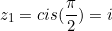


 or
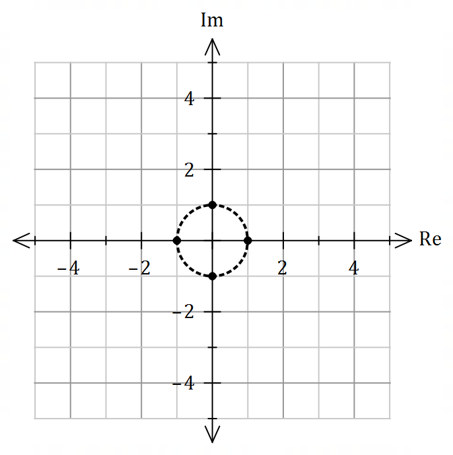
or  apart) around a circle of radius
  .
.
 . The roots form the sequence
  Note:
Note: 




 is a primitive root if
  and
and  are coprime.
 roots of unity is always zero.

 when
when  where
where  is a complex root of unity,
  .
.




 hence
hence 
 and
and 
 and
and 


 , to the plane.
 is on the plane

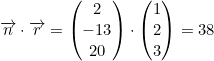



 , which means we only have the left section of the hyperbola.


 intercept
  and the asymptotes are


 and
and  , find
  .
.


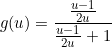


 and
and 

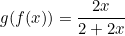


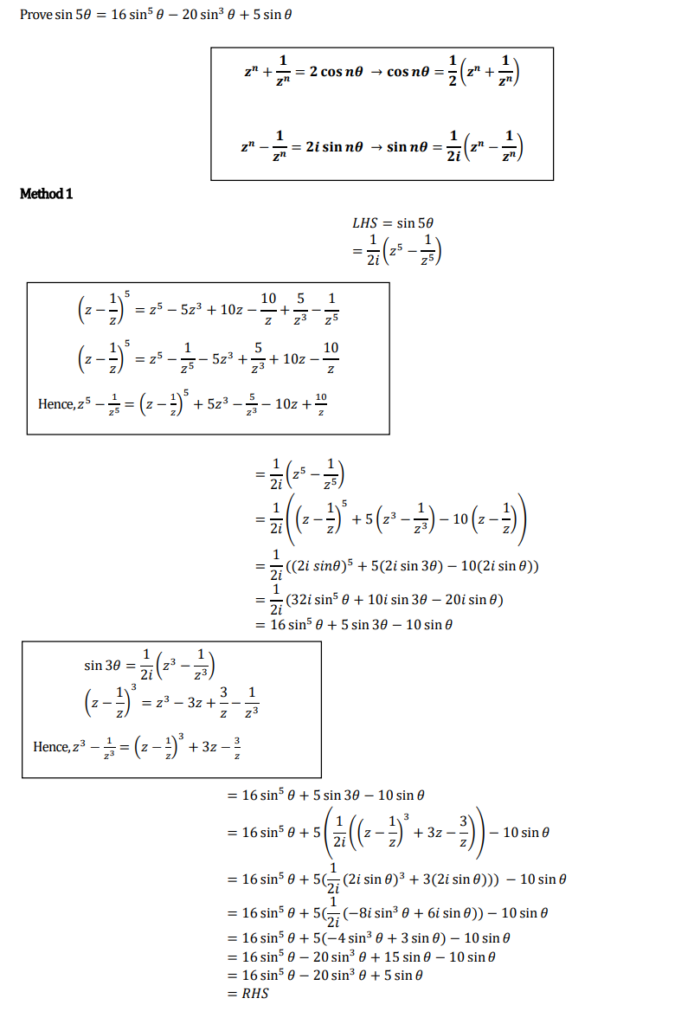
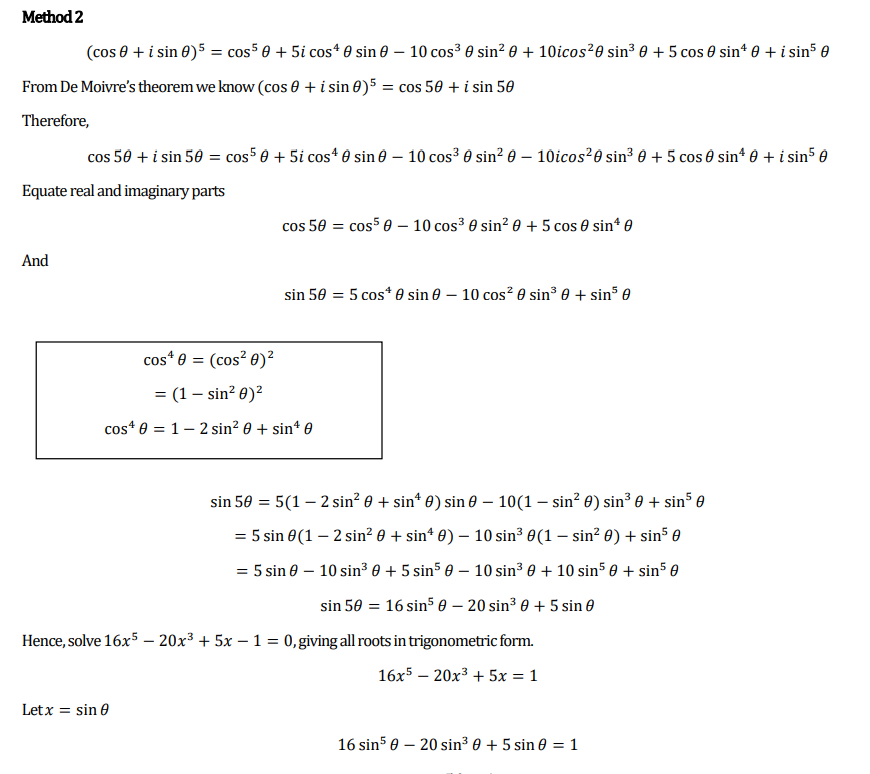
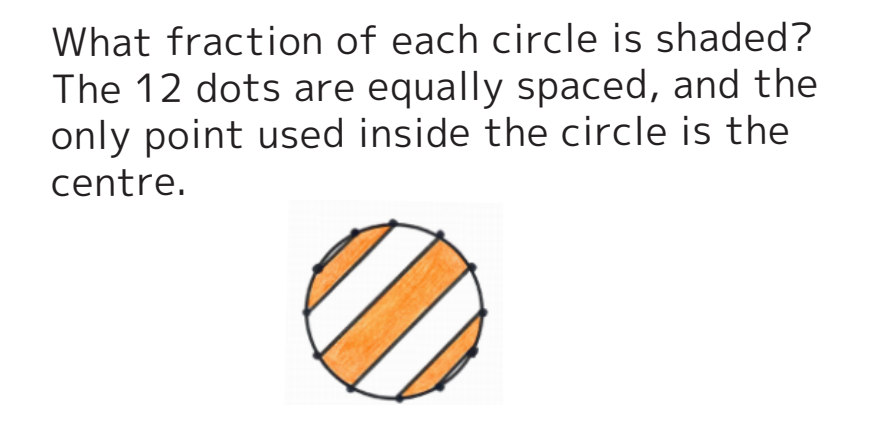
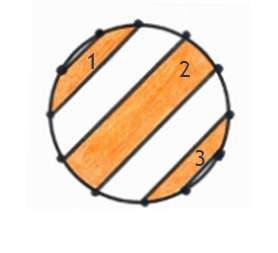
 have the same area.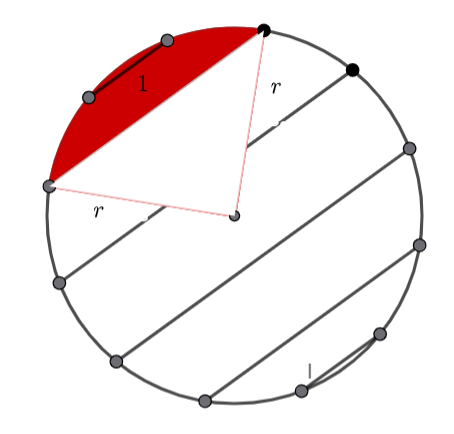

 where the angle measurement is in radians.
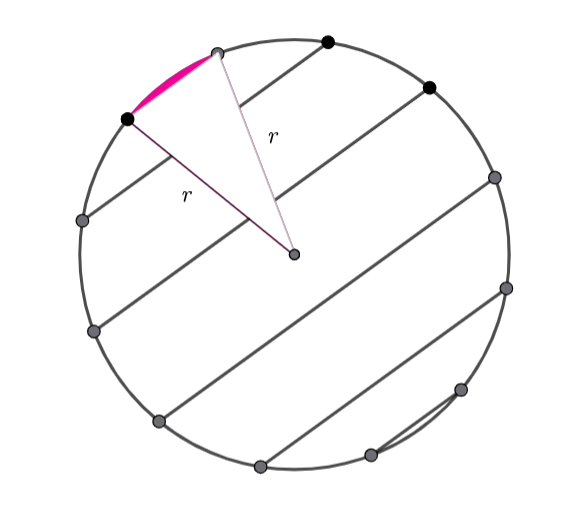


 equation
  .
.
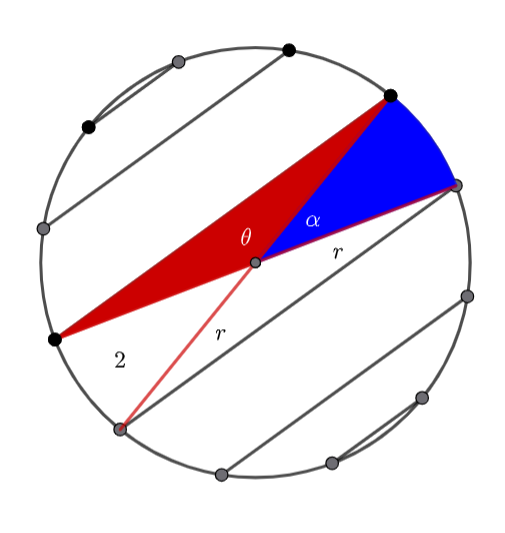





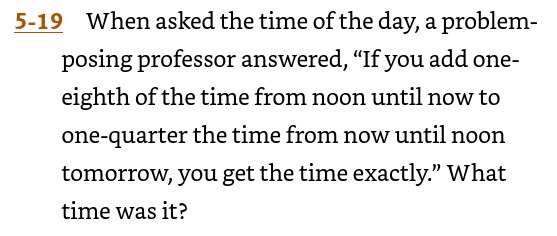
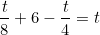
 be the number of hours from noon.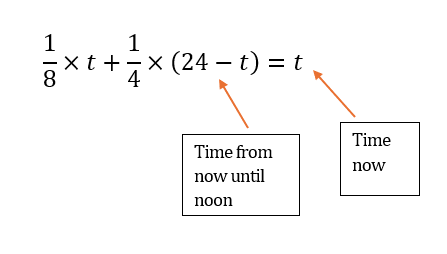


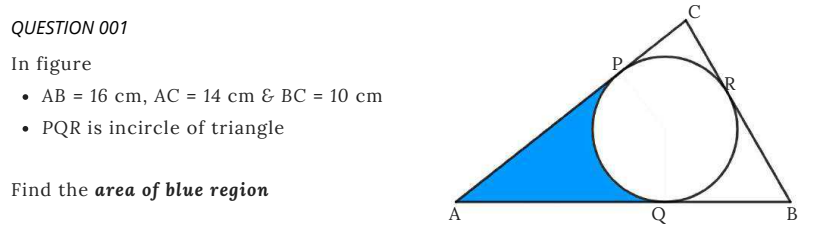
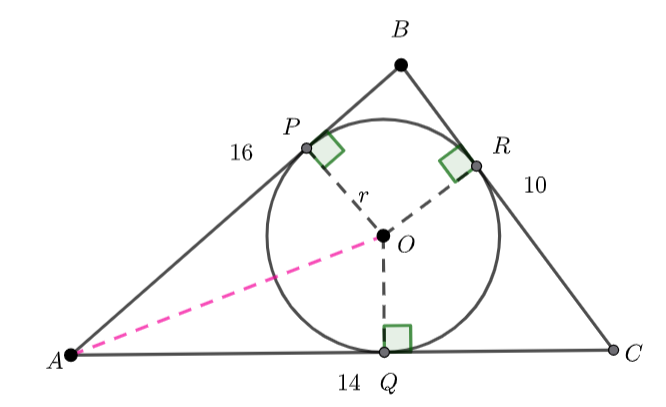
 and
and  subtract the sector
  .
.



 where
where  is the radius of the inscribed circle.
 and
and 
 , and
, and  – tangents to a circle are congruent.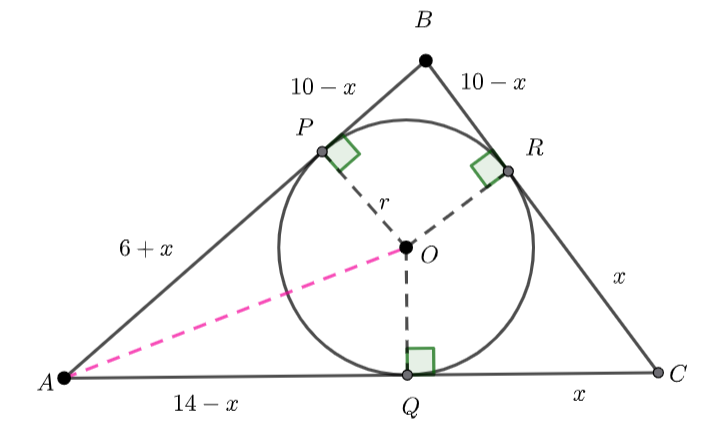




 Area
Area