Two ladders are propped up vertically in a narrow passageway between two vertical buildings. The ends of the ladders are 8 metres and 4 metres above the pavement. Find the height above the ground, ,
I am came across this problem and was fascinated. It’s from this book
At first I went straight to the 14-sided polygon, and tried to draw the diamonds (parallelograms), but then I thought let’s start smaller and see if there is a pattern.
Clearly a square contains 1 diamond (itself).
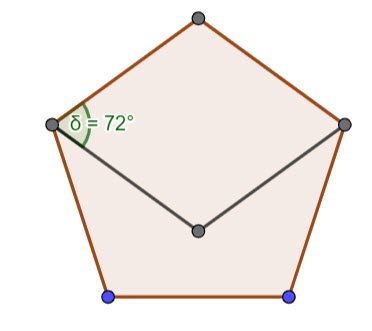
Pentagon
It’s not possible with a pentagon.
Hexagon
A hexagon has 6 diamonds
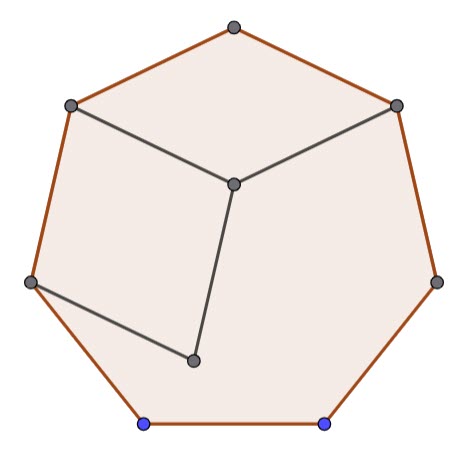
Septagon
I am guessing it’s not possible to fill a regular 7-sided shape with diamonds
It’s not possible with odd numbers of sides. Regular polygons with an odd number of sides have no parallel sides, so we can’t cover it with rhombi (which have opposite sides parallel).
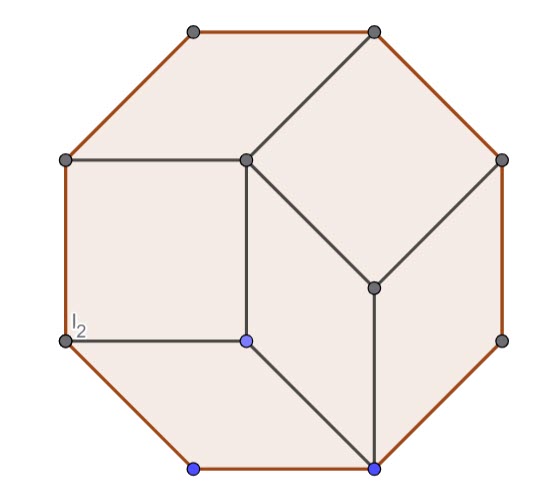
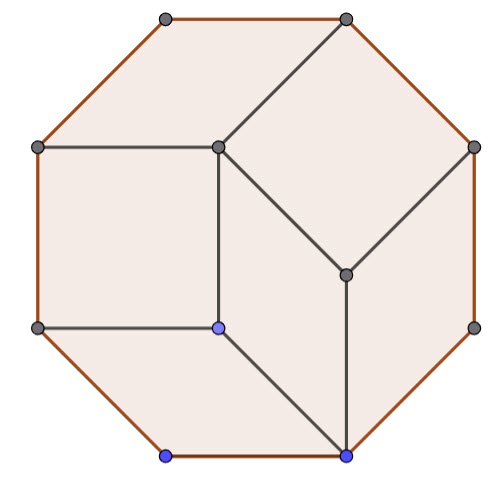
Octagon
An octagon has 6 diamonds.
We know a decoagon has 10 diamonds (from the question)
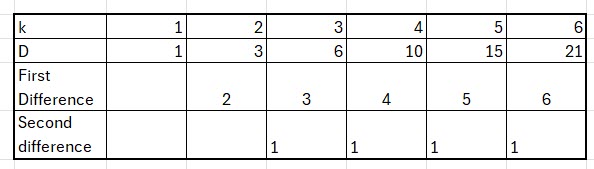
Let’s put together what we know
Diamonds
These are the triangular numbers, so when the number of diamonds is , and for it’s .
We can work out a rule for calculating the number of diamonds given the number of sides.
Because the difference in the values is not , I am going to get and in terms of and then combine the two equations.
From the above table,
We know this rule is quadratic as the second difference is constant, hence
(1)
(2)
Solve simultaneously, subtract equation from equation
This problem is from The Geometry Forum Problem of the Week June 1996
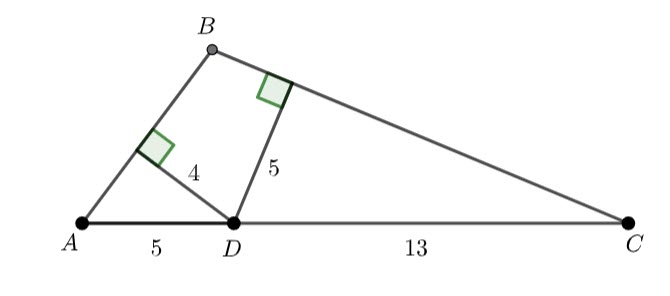
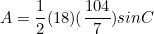
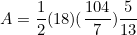
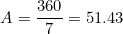
In triangle ABC, AC=18 and D is the point on AC for which AD=5. Perpendiculars drawn from D to AB and CB have lengths of 4 and 5 respectively. What is the area of triangle ABC?
I put together a diagram (in Geogebra)
Add points P and Q
Triangle APD and triangle DQC are right angled. Using pythagoras, and
is a cyclic quadrilateral and is the diameter. I am not sure if this is useful, but it is good to notice.
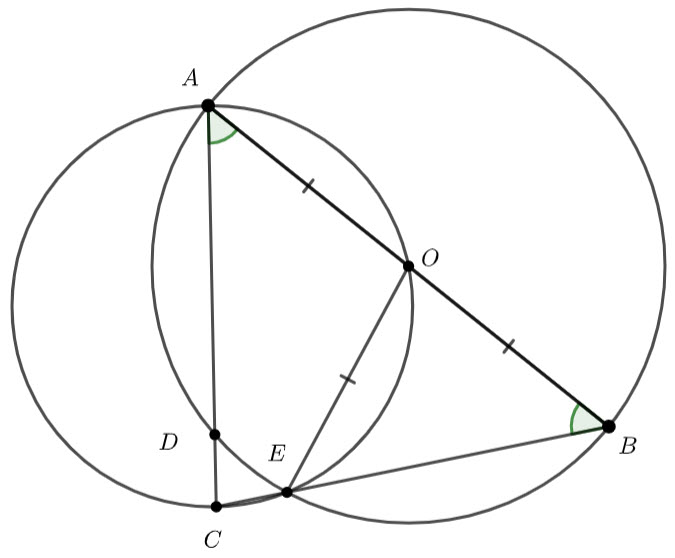
In the above diagram is the centre of the larger circle. and are points on the circumference of the larger circle. and are points on the circumference of the smaller circle. Show that . and are straight lines.
(radii of the larger circle)
At a line from to (it is also a radius of the larger circle)

,

 and
and  (Angle Angle Similarity)


 and from


 and
and 

 m above the ground.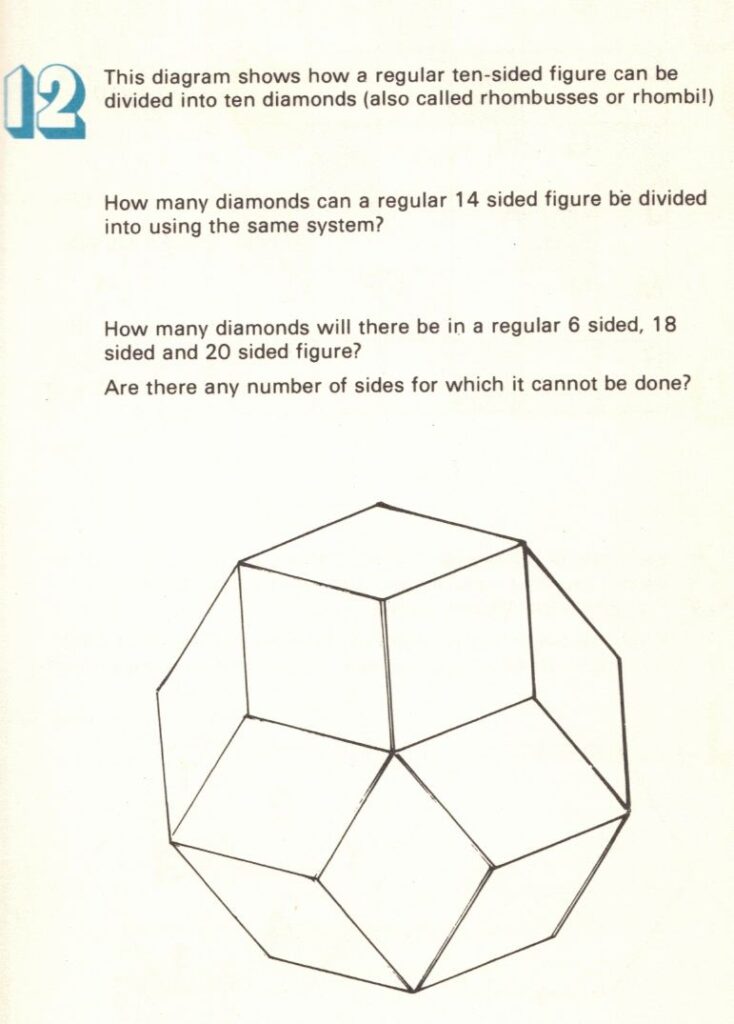


 the number of diamonds is
  , and for
  it’s
it’s  .
. in terms of
  and then combine the two equations.




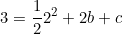


 into equation
 , therefore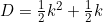






 and
and 
 is a cyclic quadrilateral and
  is the diameter. I am not sure if this is useful, but it is good to notice.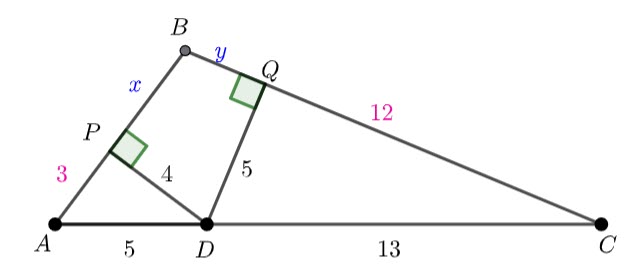





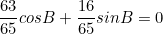



 then
then 
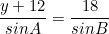


 and
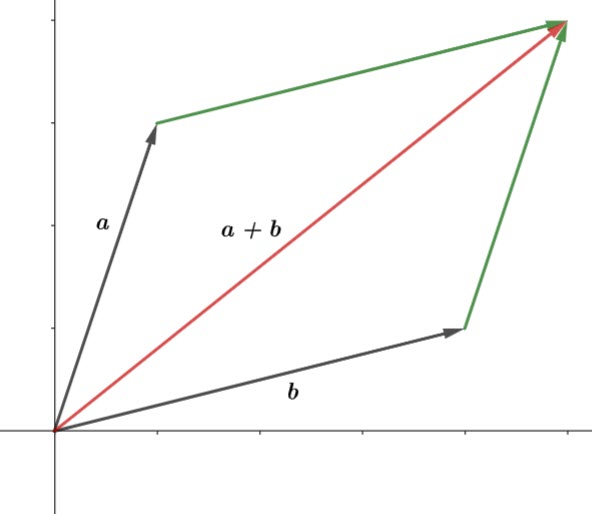
and  are defined by the position vectors
  and
and  .
. .
.
 and
and  are unit vectors, then the parallelogram is a rhombus, and the diagonal (i.e the resultant) bisects the angle.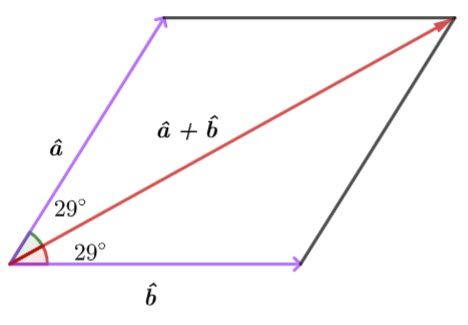





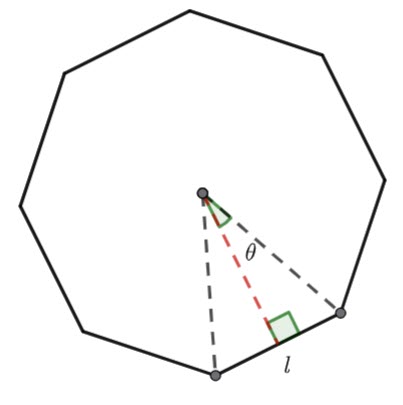
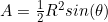
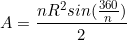
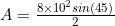
 sided regular polygon if you know the side length,
  .
.
 of the triangle in terms of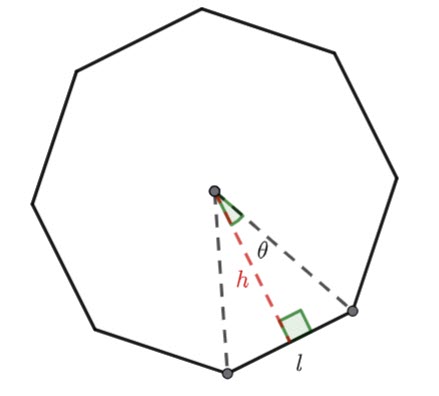





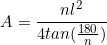



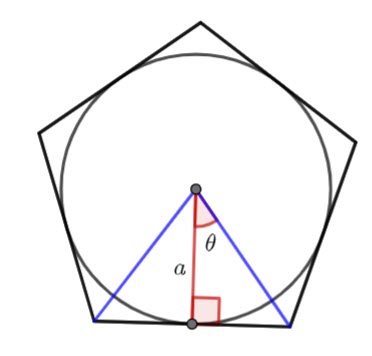
 and theta.



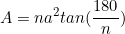


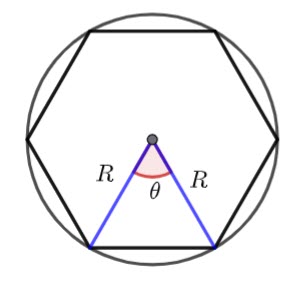
 in the diagram above)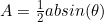



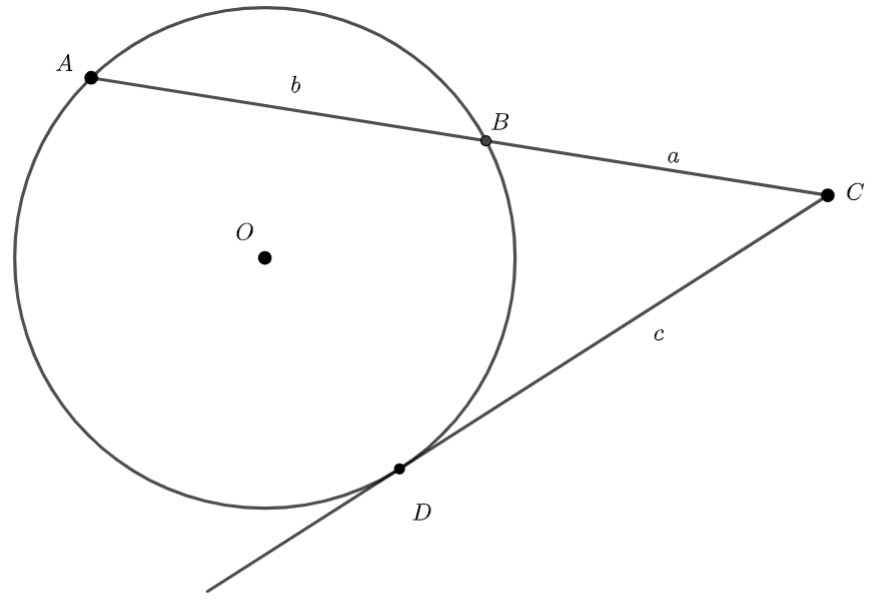
 is a tangent to the circle.
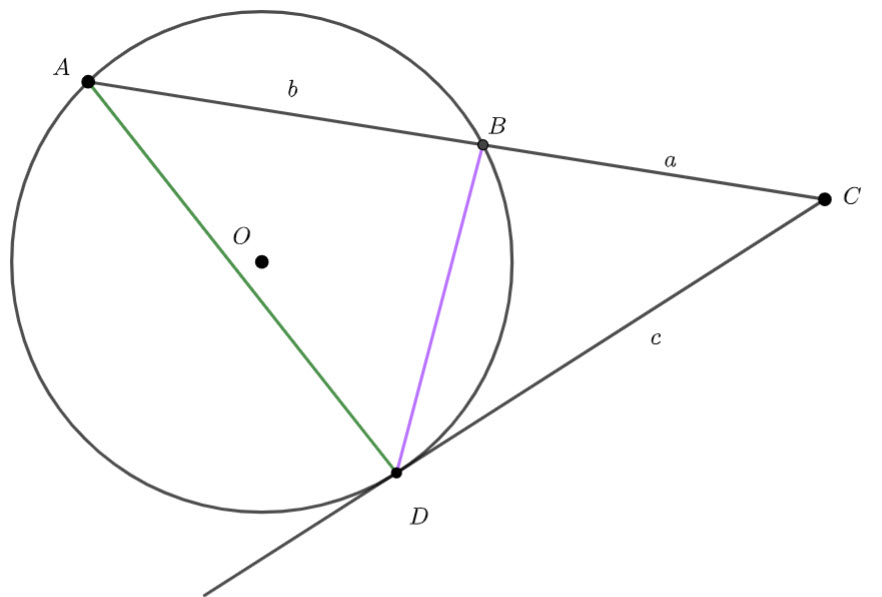
 and
and  (angles in alternate segments are congruent)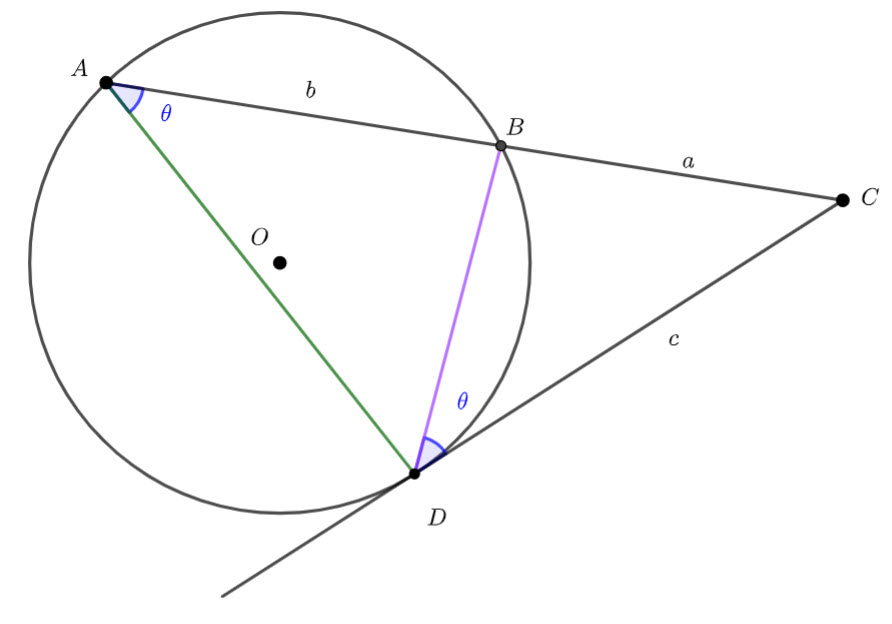
 (shared angle)
 (AA)
(AA) (Corresponding sides in similar triangles)

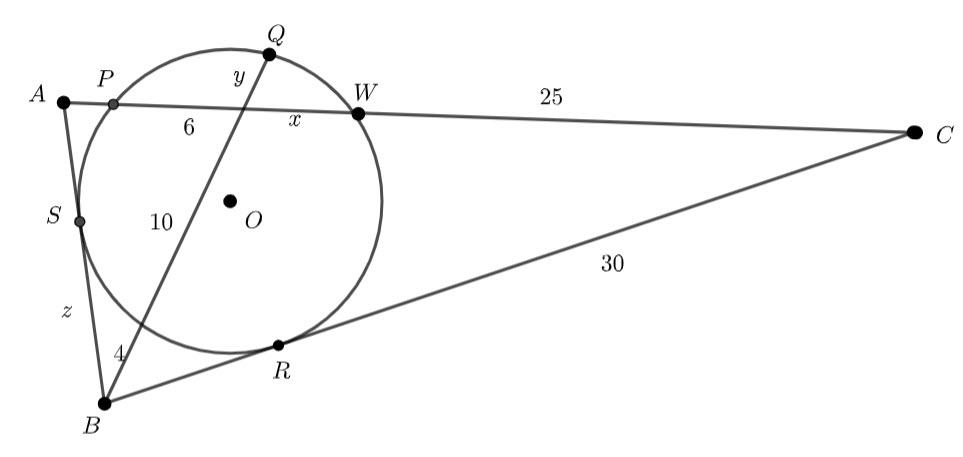
 touches the given circle at Points
  and
and  only. The secant
  touches the circle at
  and
and  .
. 
 and
and  , leaving your answers as exact values.
 is 4 units, determine the exact radius of the circle.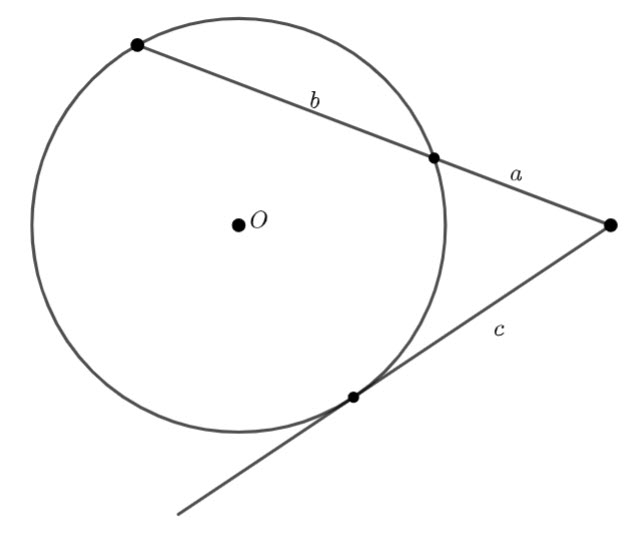




 .
.






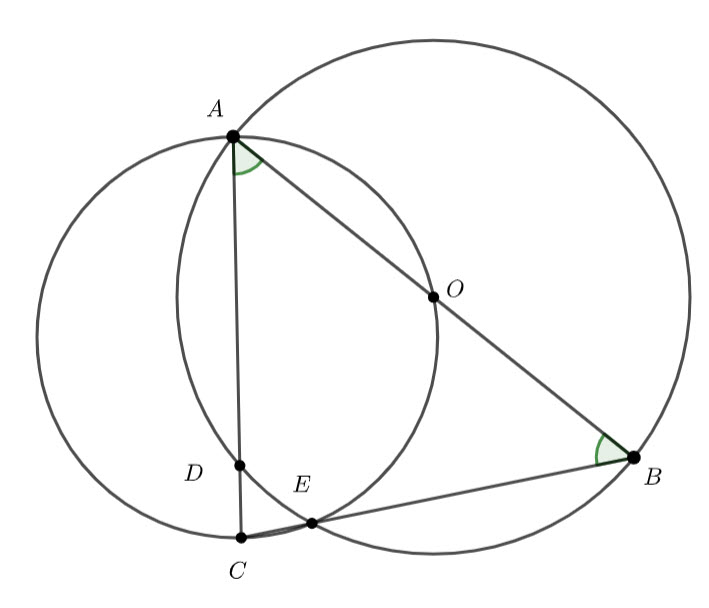
 is the centre of the larger circle.
  and
and  are points on the circumference of the larger circle.
  and
and  are points on the circumference of the smaller circle. Show that
  .
.  and
and  are straight lines.
 (radii of the larger circle)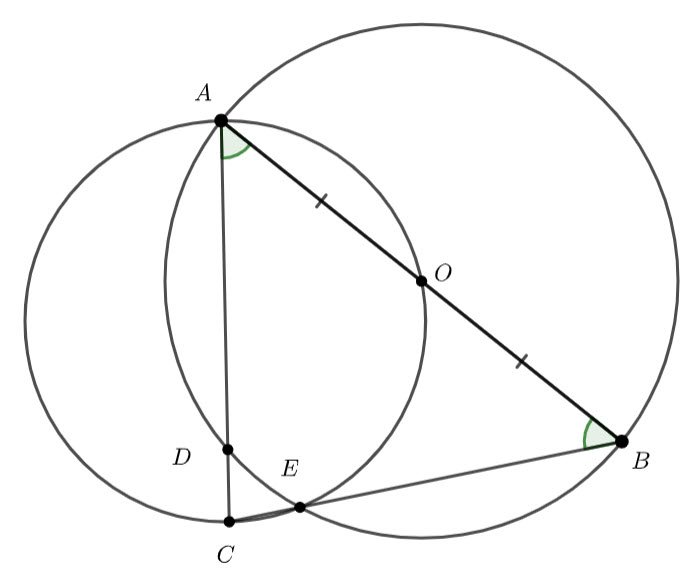
 .
. is a cyclic quadrilateral.
  (
( is a cyclic quadrilateral)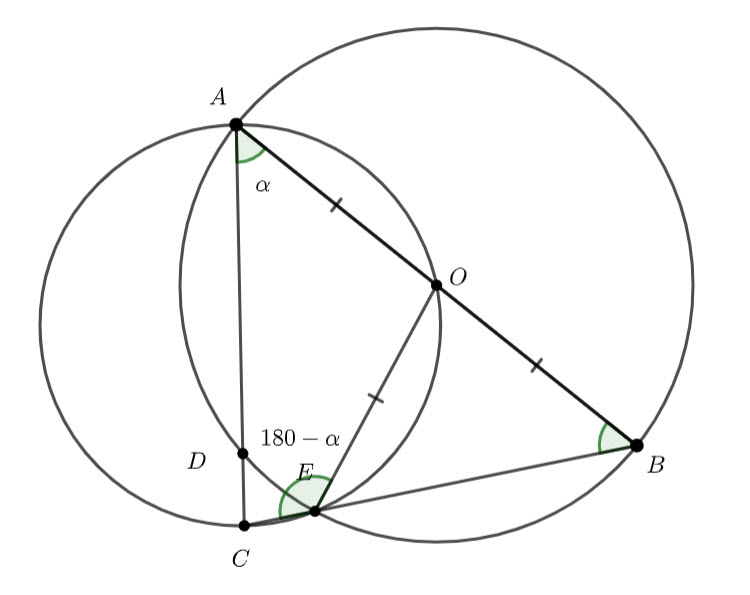
 is a straight line
  .
.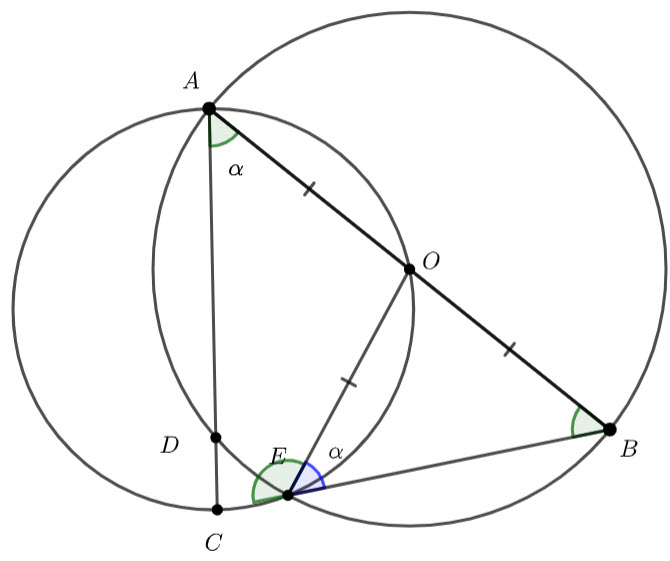
 is an isosceles triangle.

 , is inscribed within an isosceles triangle
  . Given that
  is acute, find the ratio of the area of the circle to that of triangle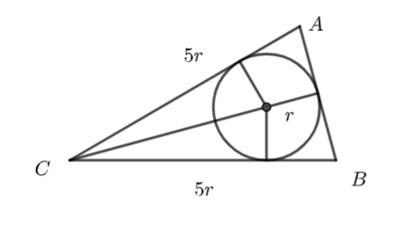
 are tangents to the circle. Because the triangle is isosceles, the distance from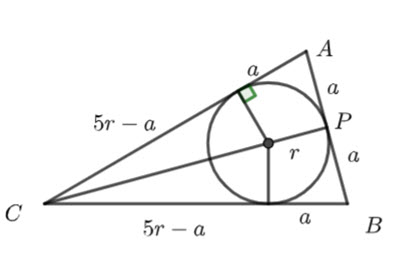
 is perpendicular to
  (because the triangle is isosceles).
 , we can let













 ,
,  , and
, and  . If
. If 



 and
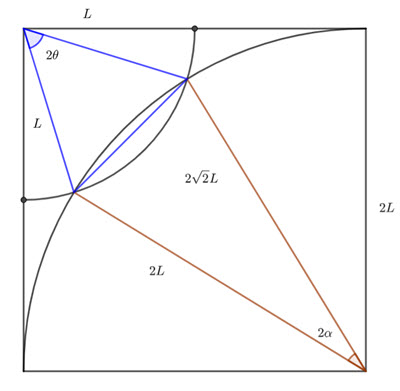
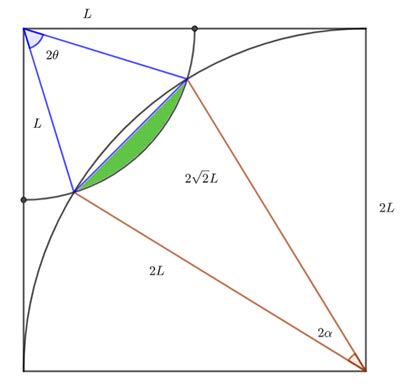
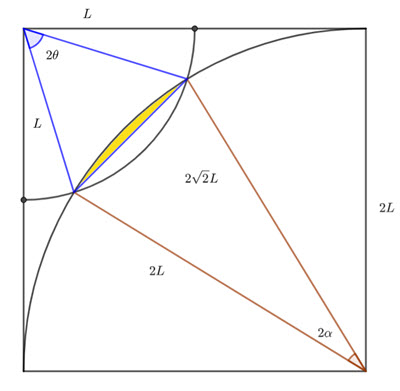
and  intersect as shown. What is the area of the shaded region?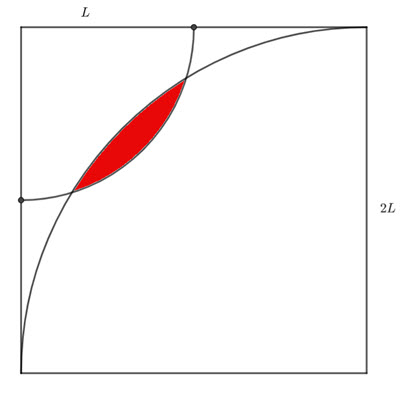
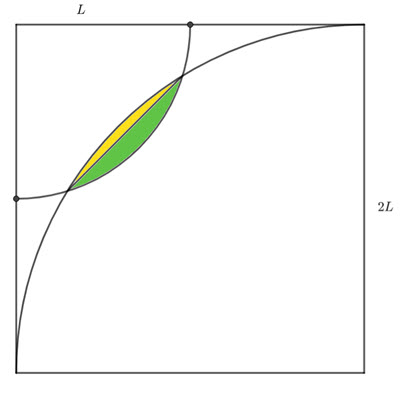
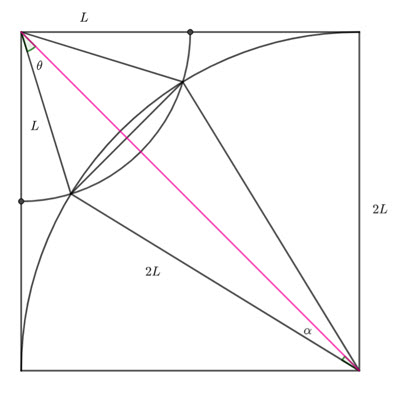

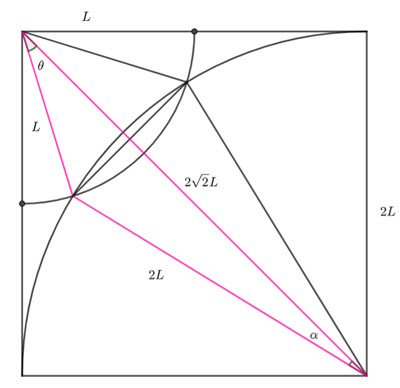






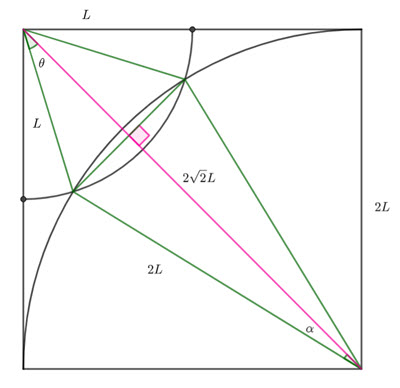
 and
and  (because the triangles are isosceles and the diagonal is perpendicular to the base of the triangles).